
Swami India Ghana Ltd
Buyer Guides · July 2026 · 7 min read
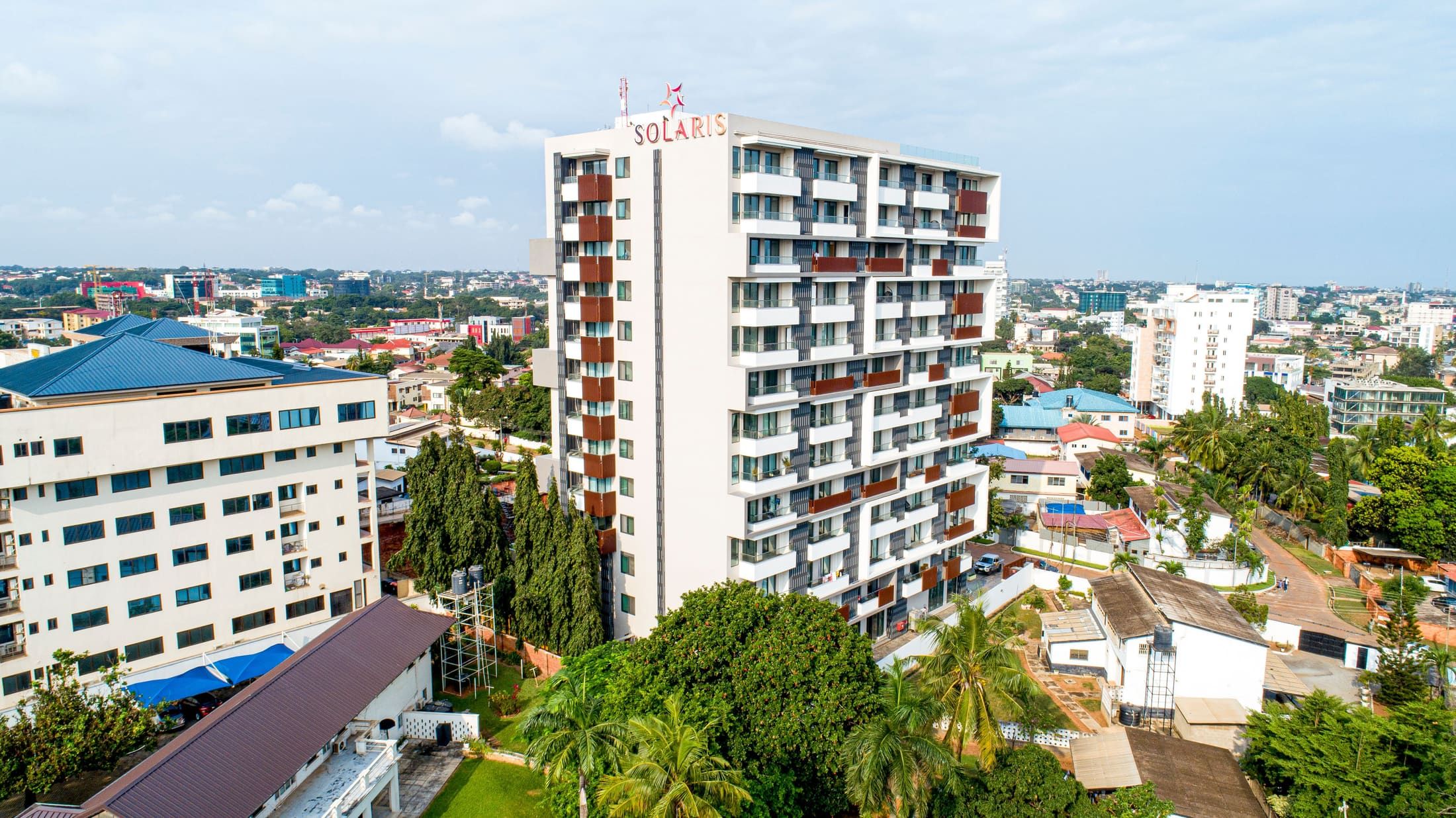
For members of the Ghanaian diaspora, buying property back home is rarely just a financial transaction — it's a way of staying rooted, planning a return, or building a legacy for the next generation. This guide walks through exactly how to do it safely, step by step.
Understand Your Legal Standing First
This is the detail most guides skip, and it matters enormously. Ghana's Land Act 2020 (Act 1036) restricts non-citizens to leasehold interests capped at 50 years, renewable at expiry — they cannot hold allodial (freehold-equivalent) title. However, if you are a Ghanaian citizen living abroad and still hold your Ghanaian citizenship (including dual citizens), you are legally treated as a citizen, not a foreigner, for land ownership purposes. That means you can access the same leasehold terms as resident Ghanaians (commonly up to 99 years) and, in the case of customary land, the same family or stool land rights. Confirming your citizenship status — and having documentation (passport, Ghana Card, or dual citizenship certificate) ready — is the first real step.
Step 1: Define Your Budget And Financing Plan
Decide upfront whether you're buying outright with savings and remittances or using diaspora mortgage products offered by banks such as Republic Bank, Ghana Home Loans, or Stanbic. Diaspora mortgages typically require proof of foreign income, a larger down payment, and a local guarantor, so it's worth getting pre-qualified before you start house-hunting.
Step 2: Engage A Licensed Local Lawyer
Never rely solely on a developer's or seller's paperwork. A Ghana-licensed property lawyer, independent of the seller, should conduct due diligence on your behalf, including a search at the Lands Commission to confirm the true owner, check for existing encumbrances, and identify whether the land has already been sold to someone else — a common scam in fast-growing suburbs.
Step 3: Verify The Site Plan And Title Documents
Cross-check the site plan against the Lands Commission's records and, where available, request a Land Title Certificate rather than relying only on an indenture. Physically inspecting the land (or having a trusted representative do so) helps confirm boundaries match the paperwork and that there's no existing structure or occupant disputing the sale.
Step 4: Choose Between Raw Land And A Developer Property
Buying vacant land gives you control over design and phasing but requires you to manage construction remotely. Buying from an established developer (off-plan or completed units) reduces some due-diligence burden since reputable developers have already secured titles, but you should still verify the developer's track record and the project's registration.
Step 5: Use A Power Of Attorney Carefully
If you can't be physically present for signing or registration, a notarized Power of Attorney (POA) lets a trusted representative act on your behalf. Limit the POA's scope to the specific transaction, set an expiry date, and ideally have your lawyer — not the POA holder — retain custody of original documents.
Free Guide
The Diaspora Buyer's Guide To Buying Property In Ghana Safely
Title verification, payment structuring, and the questions to ask before you send a deposit.
Step 6: Sign The Contract Of Sale And Pay Stamp Duty
Once due diligence clears, both parties sign a formal contract of sale (or lease agreement, for leasehold land). Stamp duty is payable on the transaction value before registration can proceed.
Step 7: Register The Transaction With The Lands Commission
Registration is what makes your interest legally enforceable against third parties. Skipping this step is one of the most common — and costly — mistakes diaspora buyers make, since an unregistered purchase offers little protection if the same land is later sold to someone else.
Step 8: Secure And Manage The Property Remotely
After closing, arrange fencing, a caretaker, or a local property manager, especially for vacant land, which is a frequent target for illegal encroachment ("land guards") in Ghana's peri-urban areas.
Common Pitfalls To Avoid
Diaspora buyers most often run into trouble by skipping an independent title search, paying in full before registration, relying entirely on family members without professional oversight, or trusting verbal assurances over documented title. Each of these has a straightforward fix: independent verification, staged payments tied to milestones, and insisting on paperwork at every stage.
Final Thoughts
Buying property in Ghana from abroad is entirely achievable and increasingly common, but it rewards patience and professional due diligence over speed. Anchor every step in verified documentation, work with independent professionals rather than the seller's team, and register the transaction promptly to protect your investment for the long term.
Contact our sales team to discuss current unit availability, payment plans, and how our in-house legal team supports diaspora buyers through every step of this process.